Can AI optimize YouTube titles and thumbnails?

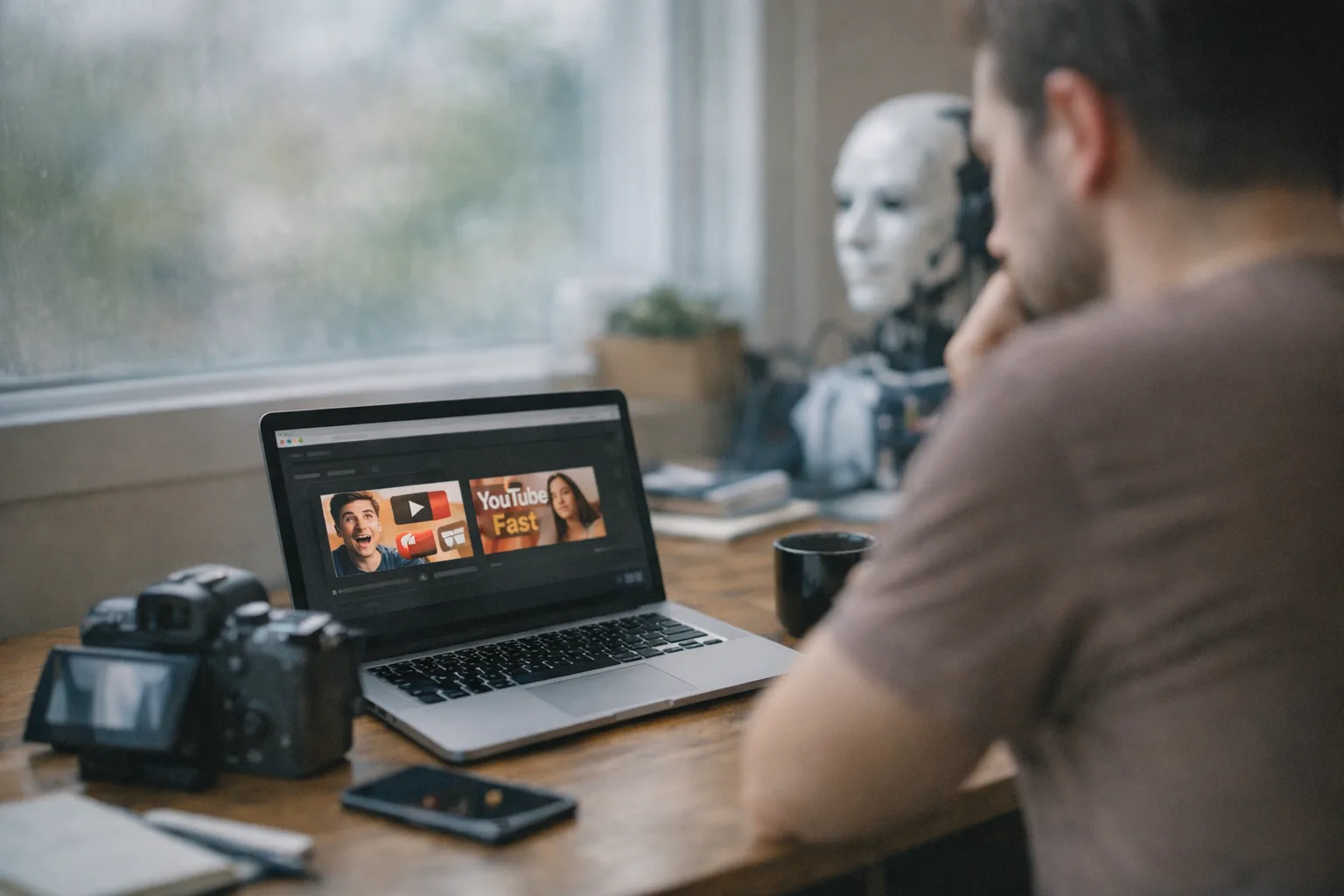
Artificial intelligence is creeping into the decisions that determine whether viewers tap or scroll past your video. The debate is no longer about whether a model can draft a headline or generate a face. It is about whether using AI for titles and thumbnails can lift click-through rate (CTR) without harming watch time or audience trust.
What creators need from packaging
Creators watch two metrics at once. First comes the click. On phones the thumbnail fills the whole screen, so the image must earn attention in an instant. Next comes retention. A solid CTR paired with healthy watch time signals YouTube to show the video to more people. Research from competing blogs echoes this point: strong packaging sets expectations before the first second plays. In practice the best title and thumbnail are easy to read at a glance, honest about the content, and consistent with the tastes of your viewers.
Where AI already helps
Most teams lean on AI in two areas. The first is ideation. Title generators supply multiple angles from a single topic, while image tools propose layouts that follow proven patterns such as a clear focal point, readable text, expressive faces, and high-contrast color. The second is testing. Creators who have access to YouTube experiment tools run A slash B tests, pitting variants against each other and letting viewers decide. A typical workflow looks like this:
- Draft a human version that matches your voice.
- Ask an AI tool for four or five fresh options.
- Select the best two and run them in a short split test.
- Keep the winner and study why it worked.
Indie hackers and solo editors appreciate this process because it gives them more shots on goal without hours spent in a naming spiral.
Authenticity and viewer perception
A Reddit thread we studied surfaces an important worry. If a video shows an obviously AI-generated thumbnail, some viewers will assume the video itself is machine made. That assumption can sap trust even when the footage is fully human. Several posters recommended using AI for a rough draft, then refining it in Photoshop to retain a personal touch. They also listed tools they like, including Gemini Banana Pro for titles, Ideogram 3.0 for design ideas, and Autothumbs for fast variations. Whether these suit you depends on your niche, but the lesson is clear: packaging should feel like you, not like a template from a black box.
Guardrails that protect trust
Reports suggest certain platforms test dynamic AI packaging that changes over time to chase clicks. One analyst notes that this can boost short term CTR yet damage usability. Viewers described seeing the same video resurface with ever more extreme titles, then failing to find it later because the metadata kept shifting. If you care about searchability and lasting relationships, keep your title stable and your thumbnail representative. Use A slash B tests to learn what attracts the right viewers, avoid bait that does not match the first scene, and treat metadata as part of the content rather than disposable wrapping.
Choosing tools and building a workflow
If you want to try AI, begin with small experiments. Generate five title angles aimed at different intents such as tutorial, comparison, or story. Create two thumbnail sketches that communicate one idea clearly at phone size. Switch only one variable at a time and track results in a simple sheet: CTR, average view duration, and retention at the thirty second mark. Many competitor articles keep returning to basic design truths: a large face or a single object, three to five words in big type, and bold color contrast. Adapt these ideas to your tone instead of copying a viral channel outright.
Our curated directory at Artificial Intelligence helps you scan the landscape quickly. It groups tools by task so you can move from question to a short list without wading through buzzwords. For broader updates bookmark freetoolai or follow our editor growthmarketing.
Teams that already publish weekly can layer in a light A slash B cadence. Keep the first version human written or hand drawn, then let AI propose alternatives for structured tests. Watch for warning signs such as sky-high CTR paired with a sharp drop in the first ten seconds. That pattern often means the promise in the packaging does not match the opening scene. When a variant wins, capture the insight as a standing guideline instead of treating it as a one-off trick. You might learn that a clean object close-up beats a busy collage, or that numbers grab attention only when the thumbnail shows the result rather than the process. Over time these small data-driven adjustments build a unique style that attracts the right audience while avoiding the generic look that chases clicks but fails to keep viewers around